MOBILITY: Safety & Design
Complete Streets
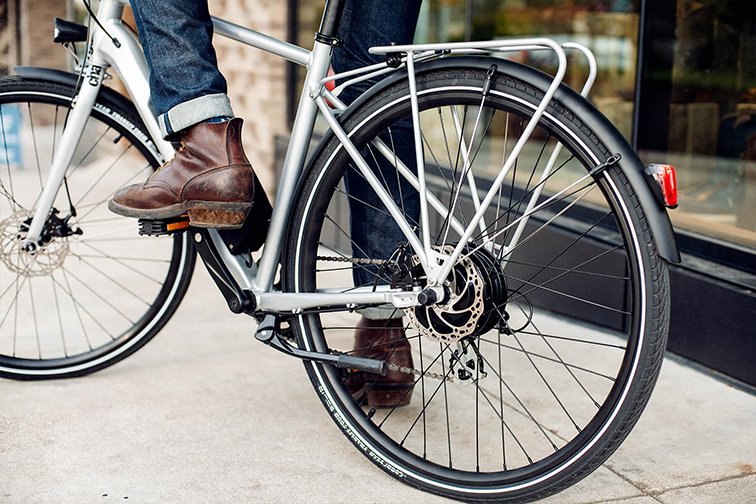
Saanich needs to get back to creating “Complete Streets”. Complete Streets are streets that are safe for all users, regardless of age, ability, income, race, ethnicity, or mode of travel. By using a Complete Streets approach to designing road networks, we can create spaces that allow all users to thrive — not only motorists.
The benefits of Complete Streets are exciting, far-reaching, and well-documented; they are cost effective, sustainable, safe, and promote physical activity and livability. Jurisdictions all across North America reference Complete Streets as an effective preventative health strategy, while human-scale design treatments such as street furniture, greenery, and wide pedestrian rights-of-way — a few elements that live at the heart of Complete Streets — are repeatedly celebrated as approaches to animating the public realm and encouraging people to linger.
Complete Streets are just as diverse as their road users. They can take on unique shapes and sizes, and flourish in communities and neighbourhoods small and large; urban, suburban, and rural. And while Complete Streets must be equitable, anti-oppressive, and adapt to change, there is no singular approach to creating a vibrant and successful Complete Street.
A COUPLE OF EXAMPLES:
Cook Street underwent a “complete street” renovation and was re-opened in June 2015
The Uptown-Douglas (UD) Corridor Plan recognizes the potential, saying that it “provides objectives and policies… to enable the transition of significant streets to Complete Streets. Future mobility and urban design concepts are provided for eight critical streets in the UD area ” (p.6).
Accommodating New Technologies
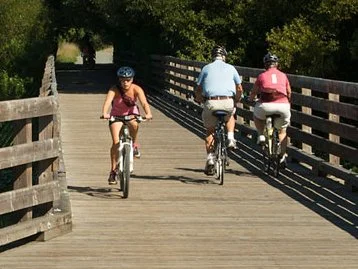
There are so many new mobility options - such as e-bikes and e-scooters - that are emerging. While positive developments in many respects, they are also having an impact on our existing infrastructure. In particular, this raises questions about the safety aspects in major trail systems such as Lochside or the Galloping Goose, or the Interurban Rail Trail (that also includes the rural aspect of horses). We currently have in our system over 100km of trails, 130 km of bike routes and 250 km of sidewalks. With the update of the Active Transportation Plan and the Parks Master Plan this next term of Council will be a good time to look at safety, diversity of equipment and how to make it comfortable for all.
I look forward to tackling these issues as we move forward. Our bike lane designs need to be for ages 8-80, and triple A in design. Our transportation and mobility network must work for all ages and all abilities, and must be able to accommodate the changing needs of the community. It needs to provide connectivity to amenities, jobs, and schools, and it needs to do so safely and effectively.