Issues
Zero-Based Budget - a 1970 Idea or a More Innovative Way?
Taxes and budgets are being raised by some this election — “protect your pocketbook”. The following highlights what Saanich has established now and how I think The Way Forward Program in Edmonton, a service review, is more reflective of our values.
Financial planning of any organization is key to the “health” of that organization. I owned and operated two businesses in this region for close to 20 years. Even as a small business owner with staff I knew that my professional Chartered Accountant was key in watching and reviewing changes in government requirements and so much more.
Saanich’s CFO and her team continue to keep us advised on any changes. An organization like Saanich need their Financial Division to be on top of so much.
Saanich has since 2003 done Citizen and Business surveys to get feed back on a number of issues, including services and taxes. We have good data that show the changes of support for various issues. The constant is that the majority of both citizens and businesses want us to maintain the services but look at more grants. Which we have been doing quite successfully, latest one — $4million for retrofit of energy infrastructure at Commonwealth Place.
In our last budget planning sessions one member wanted us to reduce reserves to bring down the tax lift.
What are Reserve Funds and why do we have them?
Saanich puts money annually into a number of Reserve Funds to help to eliminate a big hit on property taxes when we have to replace equipment or infrastructure and investment in our assets like recreation facilities or fire halls. They can also be for equipment in our fitness facilities or Police vehicles or other infrastructure.
Annually there usually is a surplus, the amount is never stable, and varies with things like a gap in hiring a staff vacancy or a RFP for work comes in less. The key point — we never know if and what amount the surplus will be.
Surplus funds are used for one time expenditures. Like surprises that create the need for funds over the established budget. Such as a surprise snow fall.
Another element in funding Saanich operations is our Debt Management policy which was adopted August 2014.
A debt management policy improves the quality of decisions and provides justification of fiscally responsible debt levels.
Debt management principles need to be consistent with and supportive of realistic longer term financial plans.
Debt Management needs to conform to the statutory/legal requirements of the Local Government Act and the Community Charter, generally accepted accounting principles (GAAP) and public sector accounting board (PSAB) recommendations.
Debt servicing levels for any year is established by this policy. Plus borrowing terms should be no longer than the estimated useful life of the asset for which the funds are borrowed and basic guidelines are in the policy.
Finally, in this election there are candidates talking about Zero-Based Budgeting which is a 1970s idea. For me we need to be more in-tuned with today’s methods that’s why I think Edmonton’s The Way Ahead Program is more reflective of our values — integration, sustainability, livability and innovation. Let’s have future thinking to look at service delivery not “old” ideas.
This link is to the principles for Edmonton’s Program.
https://www.edmonton.ca/city_government/city_vision_and_strategic_plan/the-way-ahead-principles.aspx
Read about BC’s Community Charter
In-Camera Meetings
One candidate is trying to make an issue around how many in-camera meetings Saanich has had.
In-Camera meetings are regulated through the Community Charter. Any report which staff has asked to go in-camera must be cleared by our Legislative Manager who checks to make sure it follows the legal requirements. Plus the Chair (usually the Mayor) or any member may question if an item is in-camera before the vote is called.
The majority of Saanich in-camera meetings are on:
Legal matters
Labour issues
Land issues
The candidate uses Ottawa as an example saying they had only one in-camera meeting. Their Integrity Commission reports out on these and other things. Do we know if Ontario laws are the same as BC with respect to in-camera?
The following was the information I received directly from Ottawa:
In 2017 Ottawa City Council and its Committees went into closed session a total of 7 times: City Council went In Camera 3 times, and Standing Committees went In Camera 4 times during 2017.
In 2016 Ottawa City Council and its Committees went into closed session a total of 11 times: City Council went In Camera 3 times, and Standing Committees went In Camera 8 times during 2016.
Annual reports from the City of Ottawa’s Integrity Commission/ Closed meetings investigator outline the circumstances under which the City of Ottawa Council and its Committees went into closed session.
I found it interesting that Ottawa committees can go “in-camera”, but again the legislation might be different from Ontario and BC.
“Saanich News July 1997” the issues raised by then Councillor John Mika are still relevant in today’s debate.
amalgamate with victoria
yes - no
This is the ballot question that Victoria and Saanich have agreed to.
“Are you in favour of spending up to $250,000 for establishing a Citizens’ Assembly to explore the costs, benefits and disadvantages of the amalgamation between the District of Saanich and the City of Victoria?”
For me, I voted against this process for the following reasons:
Our Citizen Surveys and our Business Surveys (over a number of years) have not raised this as a priority. These surveys are statistically valid and done once a term to be used in setting priorities together with various other documents including our Strategic Plan.
This term Amalgamating with Victoria was not raised by a majority of our residents (or any member of Council) to be part of our Strategic Plan.
During the Financial Plan meetings for our 2018 Budget, there was no discussion or motion from any member of Council to put an extra dollar amount in the Budget to hold this question as part of the 2018 election.
There was no motion to put $250,000 aside in the Budget to establish a Citizens’ Assembly to study the issue.
This ballot question presupposes the type of “study” is to be through a Citizen Assembly without exploring what other focussed options could be done.
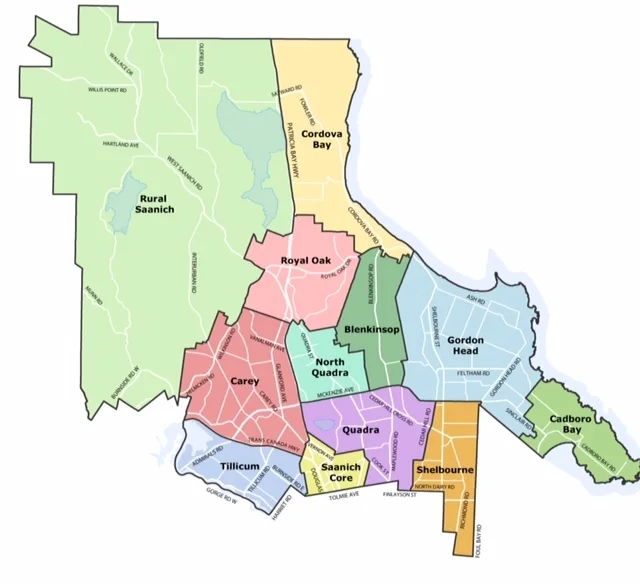
This question is important for the future of Saanich and it will be up to Voters in Saanich to send a clear message whether they are in favour of spending $750,000, of which Saanich Budget will be responsible for up to $250,000, to study amalgamating with Victoria.
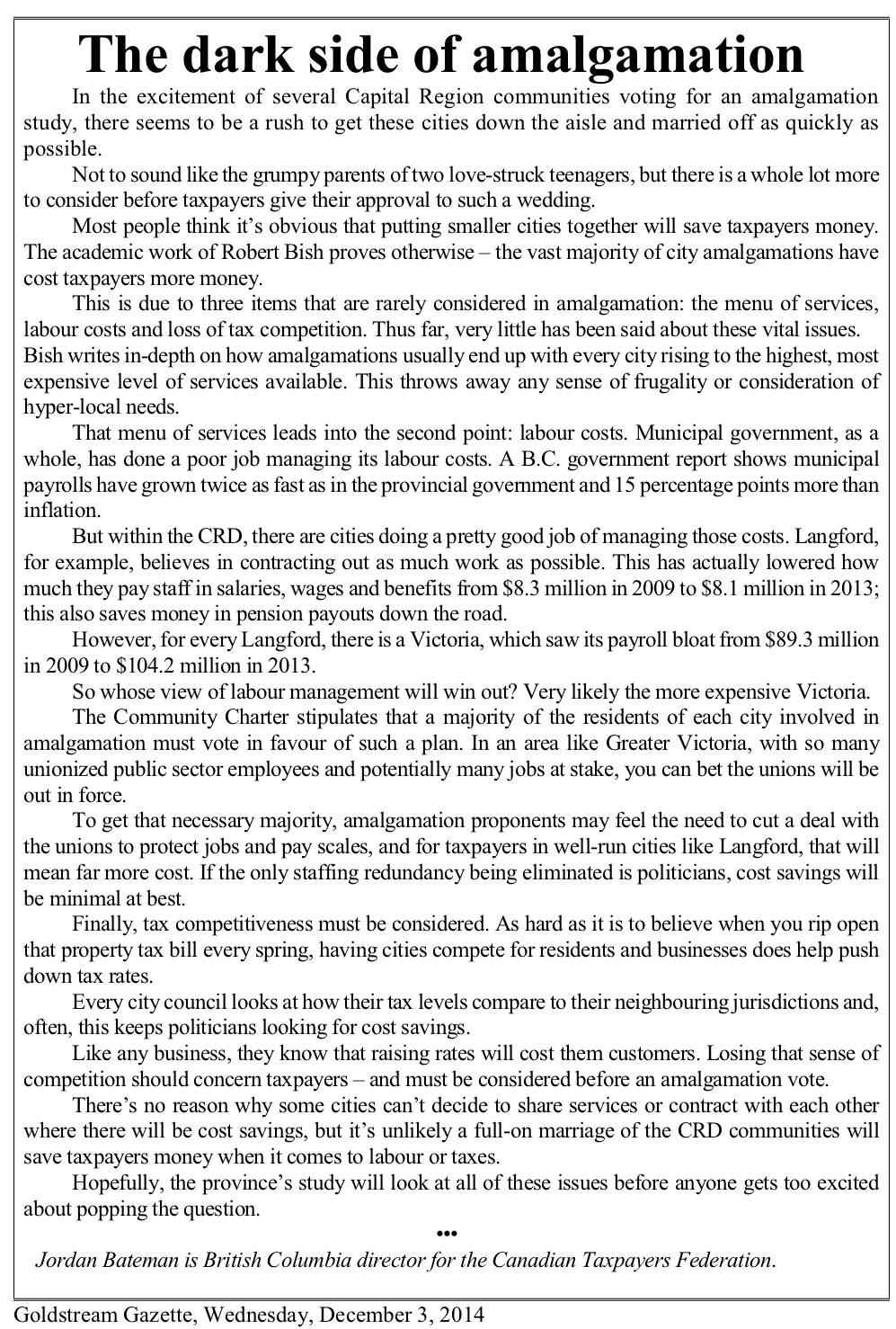
This article, appearing in the Goldstream Gazette on December 3, 2014, outlines potential issues amalgamation would bring to Saanich. Read the full article here.
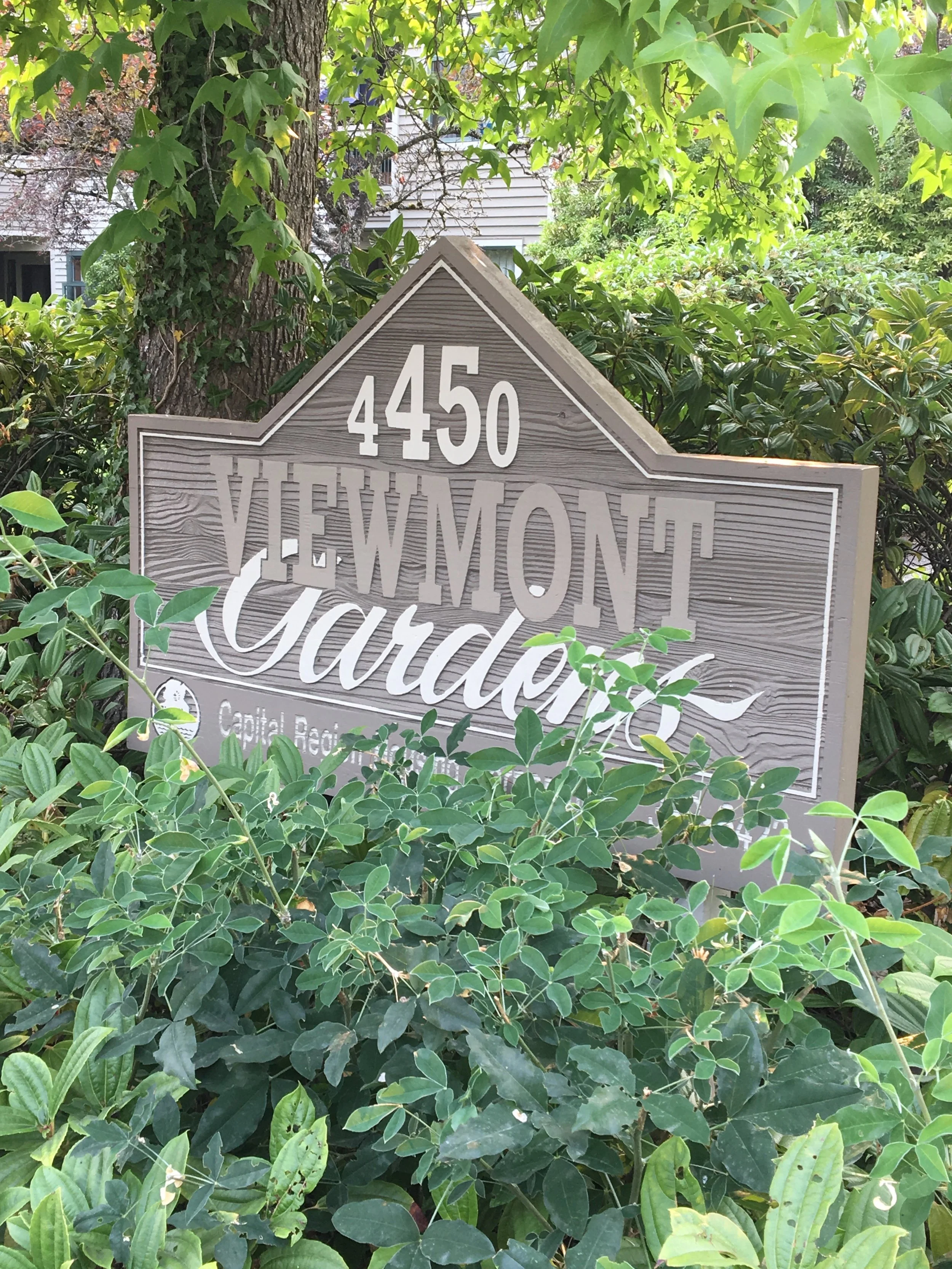
CRHC Housing - Viewmont Gardens in Royal Oak.
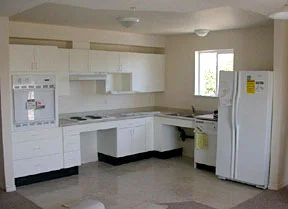
Adaptable housing options.
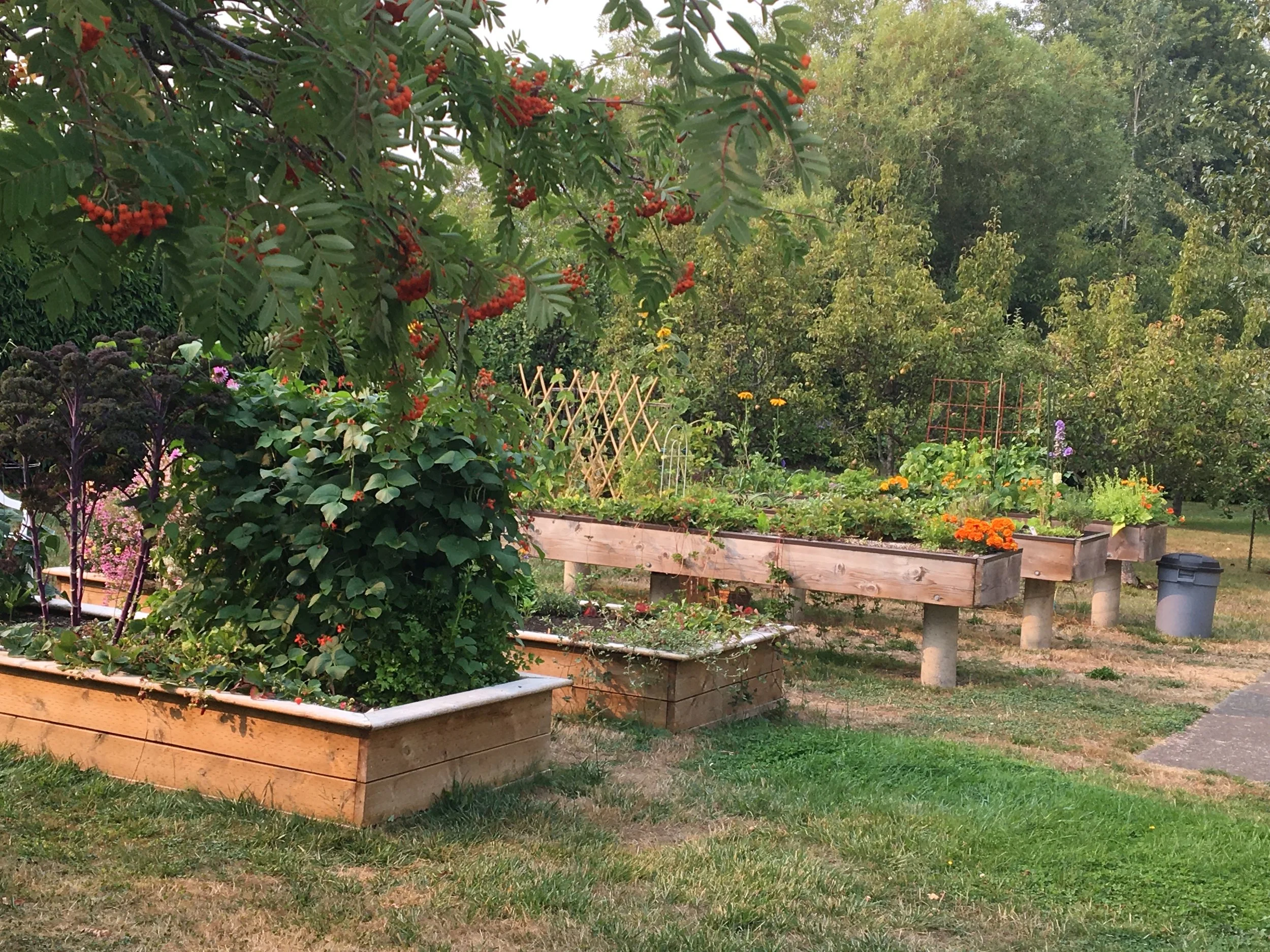
Raised garden beds at Viewmont Gardens - easy for residents to reach.
housing needs & choices in the CRD
CRD’s Regional Housing Affordability Strategy provides a framework for addressing challenges and supporting a collaborative regional approach to creating a healthy sustainable housing system – one that supports safe and complete communities and that provides the ability to create a shared regional response to issues of housing affordability and homelessness. Saanich supports this regional framework so we can reach the highest needs where opportunity exists. This Strategy also draws on CRD Gap Analysis data.
One of CRD’s newest initiative is the “Regional Housing First Program (RHFP)”. This program aims to meet a broad range of housing needs while moving at-risk individuals from streets or shelters into long-term, tenant-based, supported housing to enable recovery and integration into society. It is anticipated to create more than 2000 new rental units, worth approximately $400 million.
Saanich Housing Opportunities
We have supported the “regional” approach but that does not mean Saanich is not moving forward with what we can do. Our OCP provides that density should be within our defined Centres, Villages and Corridors, where services are. Plus a policy to integrate “affordable” units within new construction through Housing Agreements.
Forecasts in demographics predict that Saanich's population is aging. In 30 years, the proportion of seniors over the age of 65 will double and make up almost one-third of the population. Increasing the stock of seniors-friendly housing is important for the social well-being of the community and the quality of life for Saanich's residents.
Saanich’s “adaptable housing” requirements are modest improvements to accessibility and adaptability in residential buildings that make it easier for people to "remain in place" as they age, experience illness or injury. It is based on the principle of "visit ability". This means that people's homes should be accessible to everyone, not just able-bodied people. It eases problems associated with isolation and allows people with physical limitations to visit friends and neighbours and stay in communities where they have developed social ties.
Basic Adaptable Housing is required for newly-constructed residential buildings serviced by an elevator containing apartment or congregate housing uses.
Adaptable Housing features follow "universal design" principles, meaning that the housing can appeal to everyone. Adaptable Housing features are visually unnoticeable and allow increased flexibility in selling or renting homes. Including these features at the design stage is inexpensive and greatly reduces the cost of renovation in the future.
The mandatory Basic Adaptable Housing features include barrier-free access to all suites and amenity areas, wider doorways, maneuvering room at suite entries and corridors, access to a main-floor bathroom, reinforcement of bathroom walls for future installation of grab bars, and accessible door handles, switches, and outlets. Since inception of this policy over 1000 units have been built in Saanich.
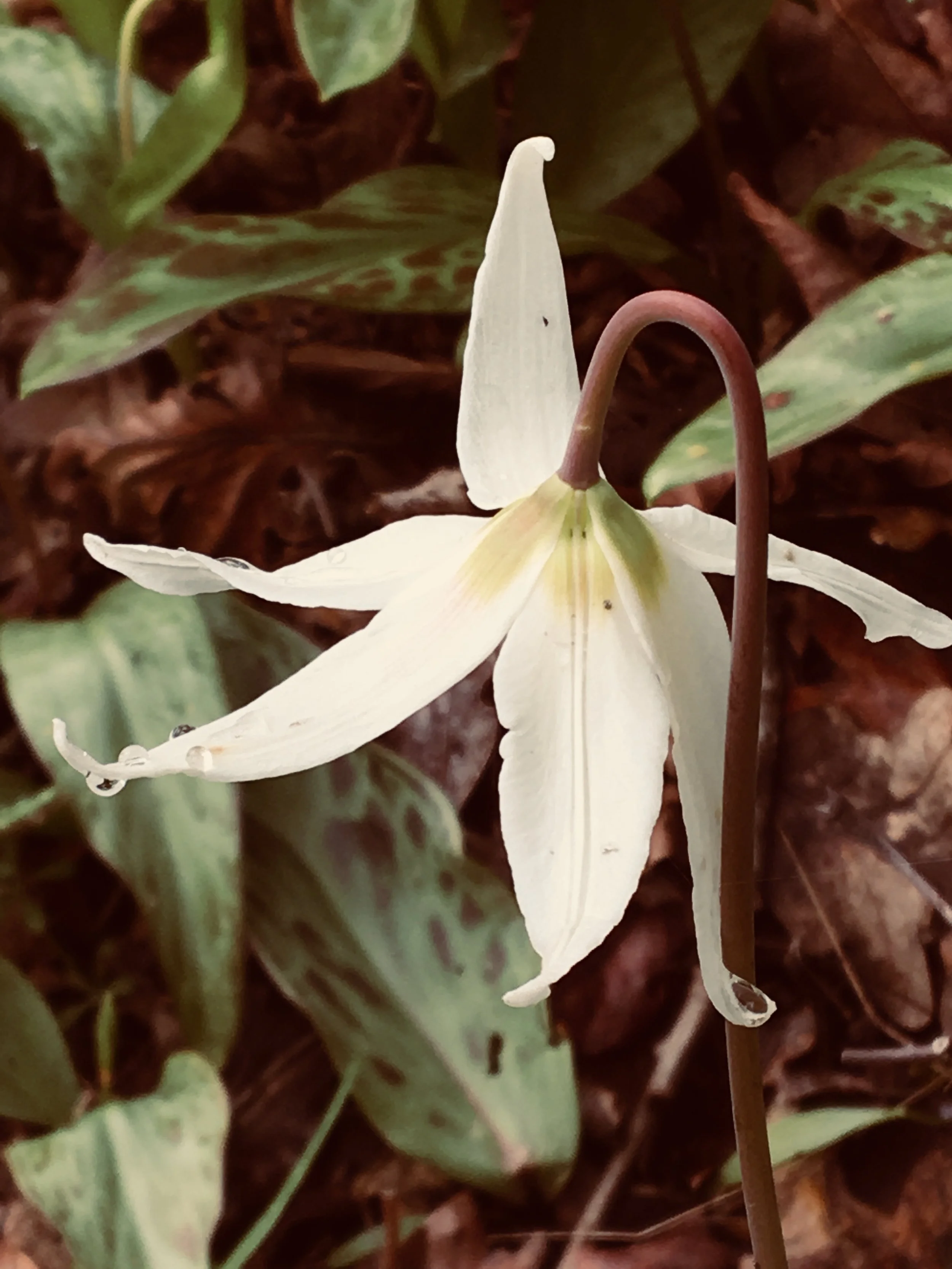
We are fortunate to have diversification in flora and fauna around Saanich.
environment
Each of us has a role to play as we work to conserve our natural environment. We live in a great place with Garry Oak ecosystems, urban creeks being restored like Colquitz and Douglas creeks, with determined volunteers, removal of invasive species in our parks, and so much more. What can you do? Think and read product labels to see what you are using as personal care products or household products. Everything ends up in our environment. Saanich needs to develop an Environmental Conservation Strategy together with looking at what kind of incentives would help conserve more biodiversity at risk on private lands.
I have supported Saanich continuing it’s work around climate change and mitigation measures. We are currently updating our Climate Plan with a goal to become 100% Renewable Energy Community by 2050 which is a key initiative to see completed and moving Saanich forward.
Lining up for the start of a Regatta on Elk Lake.
tourism
I have been a member of Victoria Tourism Board for almost two years representing Saanich. The newly established Sports Tourism Commission located in Commonwealth Place has a new Executive Director who is bidding on sporting events for this region. Saanich’s Sporting Events will expand and our economic growth will flourish with this new focus. Saanich has many opportunities for tourists to enjoy our beaches, rent a bike and cycle Lochside Trail, grab an ice cream at Mattick’s or a morning walk up to enjoy the views at the top of Mount Douglas. Tourism can be part of increasing our economy. Growing our local economy in our Centres, Villages and Corridors where outdoor café(s) are the norm, local restaurants with local cuisine are enjoyed and pocket parks create people places for play and conversations.
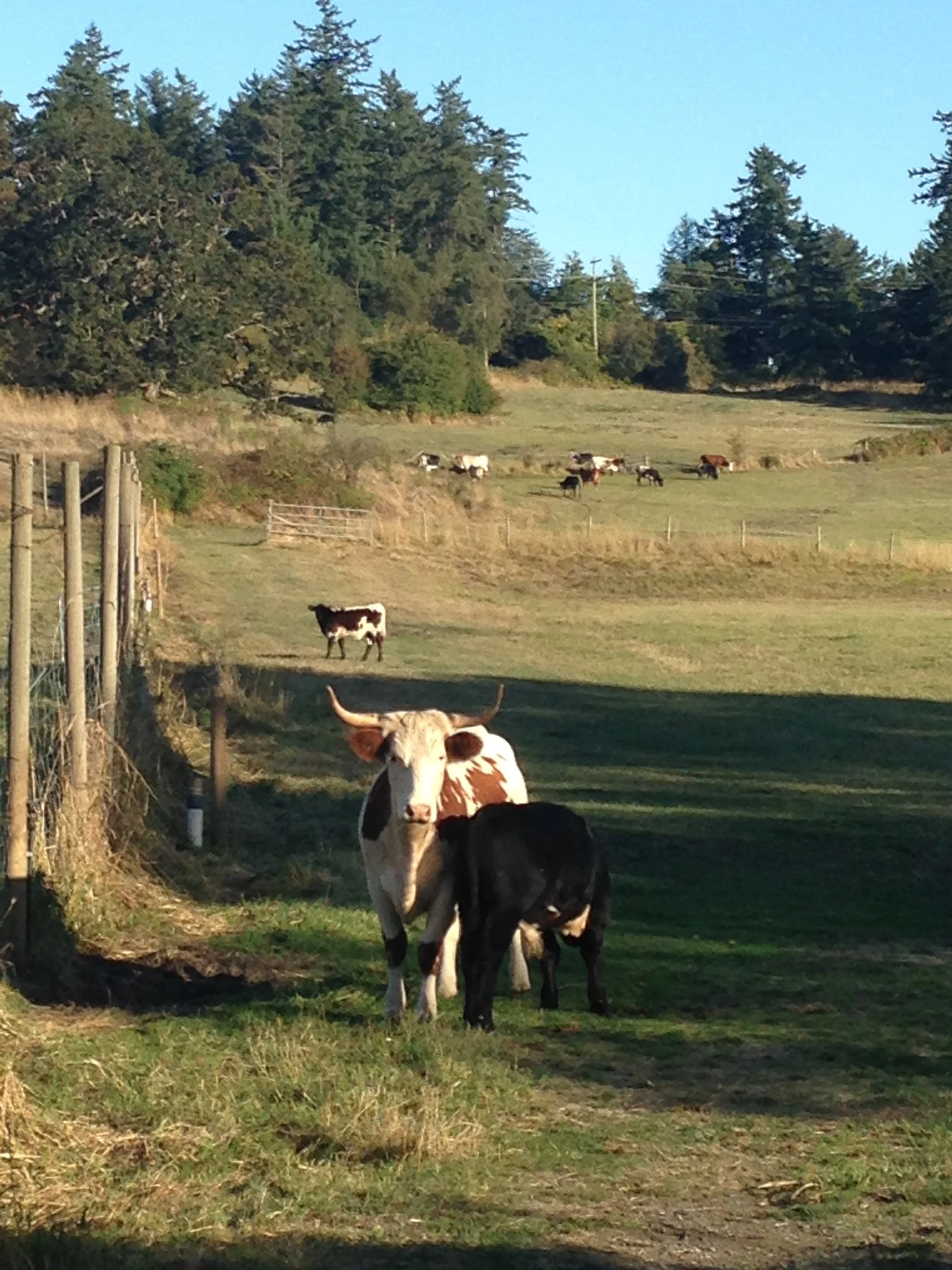
Within minutes, our trail network connects urban and rural environments.
More directional signage throughout our trail network would be beneficial to local travellers and tourists.
trails
Our trail networks are amazing. Whether you enjoy a nice walk in the rural network or ride a bike to explore. The trails go from urban to rural and you can enjoy the areas or a nice meal along the way. What is really needed is an update to our signs and especially directional signs and destination maps. Cross over Blenkinsop Lake and visit the Farmer Roy statue. When heading to Victoria you will travel over two heritage bridges the Swan and Brett, then passing Saanich Municipal Hall, take a moment to explore its gardens and then over the highway on the Switch Bridge, on your way to downtown Victoria. It’s a great family outing to explore all that Saanich and Regional Trails offer.