CLIMATE ACTION: No Time to Waste
From last year’s heat dome that killed so many British Columbians, and the “atmospheric rivers” that created havoc around the Province, to the droughts, wildfires and weather extremes that have impacted our farming communities, our food security, our economy and even our way of life, EVERYONE I talk to is recognizing that Climate Change is building rapidly and must be addressed comprehensively. And the time for action is NOW. I agree, and I will continue to work to ensure that everything we do as a Council, and as a municipality, takes climate change impacts into consideration. Climate Change can no longer be an afterthought or a sideline — it must be front and centre in all of our deliberations as we move forward.
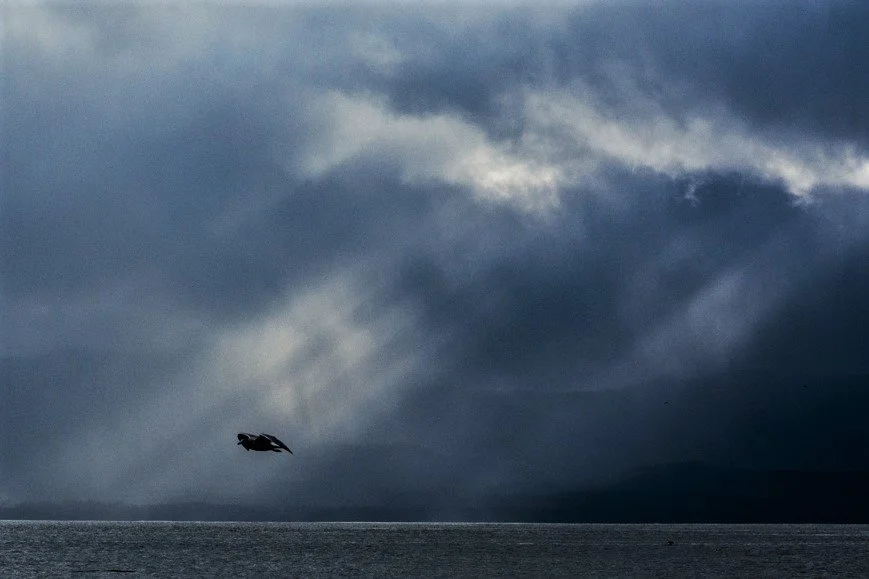
While it is crucial for our governments – local, national and international – to lead the way, to develop the strategies and priorities we need to tackle the climate challenges that are facing us, it is equally important that each one of us, as caring citizens, take this matter seriously, and personally. We must assess our own lifestyles and commit to improving our own “carbon footprints”. I am entirely convinced that when we take action together, we can change those dark clouds on the horizon into rays of sunshine.
It’s Personal…
We are truly all in this together – we only have one world. But we are not alone. Much work has already been done to help guide individual action. Here in Saanich, we have put together a Residents’ Climate Action Guidebook, that will help everyone “get connected with resources and incentives to make your own personal climate action plan.” It’s a good place to start,
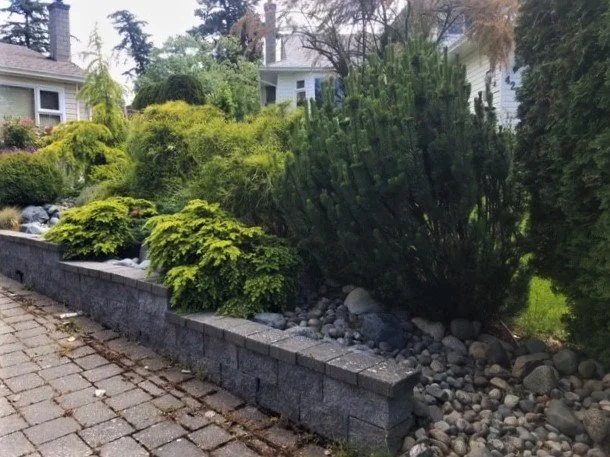
AN EXAMPLE OF WHAT CAN BE DONE
This picture is when I first re-planted the front area of my home. I removed all the grass and replaced it with a “rain garden” that included drought tolerant plants and plants that attract pollinators, as well as being deer resistant. I disconnected a down pipe from my roof and diverted it to help water the plants. This new design is not only more environmentally sound, saving a lot of water, it also helps reduce heat from the front of my home and has created habitat for many native critters, like garter snakes.
The options for developing a personal climate action plan are wide ranging. They don’t have to be hard, or expensive, but with some commitment from us, they will have an impact!
Leading the Way…
I am pleased to be able to say that during my time on Council we have been able to make sure that Saanich has been proactive in beginning to address some significant Climate actions, including setting targets for reducing our carbon footprint. BUT, WE NEED TO MOVE FORWARD AND MAKE SURE THAT SAANICH CONTINUES TO LEAD THE WAY IN ADDRESSING THE CLIMATE EMERGENCY. We need to make sure that we elect a council that is committed – as I am – to making this happen.
A COUPLE OF EXAMPLES…of initiatives that we’ve started that we need to make sure we continue to move forward:
Saanich is implementing multiple “building energy retrofit projects” each year to increase energy efficiency and move to using renewable energy sources. This not only reduces our greenhouse gas emissions, but reduces costs and, often. improves user comfort as well.
We are also developing “100% Renewable Pathways” for each key facility in our community – identifying the actions that are required to move these facilities forward to using renewable energy sources and helping us reach our climate targets.
AND A COUPLE OF NEW PROJECTS we need to see through:
Saanich Commonwealth Place – The largest recreation facility in Saanich, and currently the largest source of GHG emissions for all of the District’s facilities. In 2018 the we received a grant from the Federal Gas Tax Fund to cover 100 per cent of the estimated cost for mechanical upgrades ($4 million). The goal is to reduce greenhouse gas emissions by 90%. Saanich Commonwealth Place is our largest facility asset and it has world class aquatic facility status. It is very important that we make it a showpiece – we are committed to improving our environmental stewardship and operating costs, while supporting the ongoing provision of services and programs. For more details, please click here.
No. 2 Royal Oak Fire Hall – This fire station for the District of Saanich is one of the first mass timber buildings in Canada to target a zero-carbon building standard while being fully equipped for post-disaster response. It will serve as a demonstration project and template for future post-disaster buildings. For more details, please click here.